Selected work
Current work and proof.
This is the current layer of the work: products, research, and systems that show where I am actually building now. The older operating thread is still here, but it sits underneath the more recent proof.
Product

ChopDot
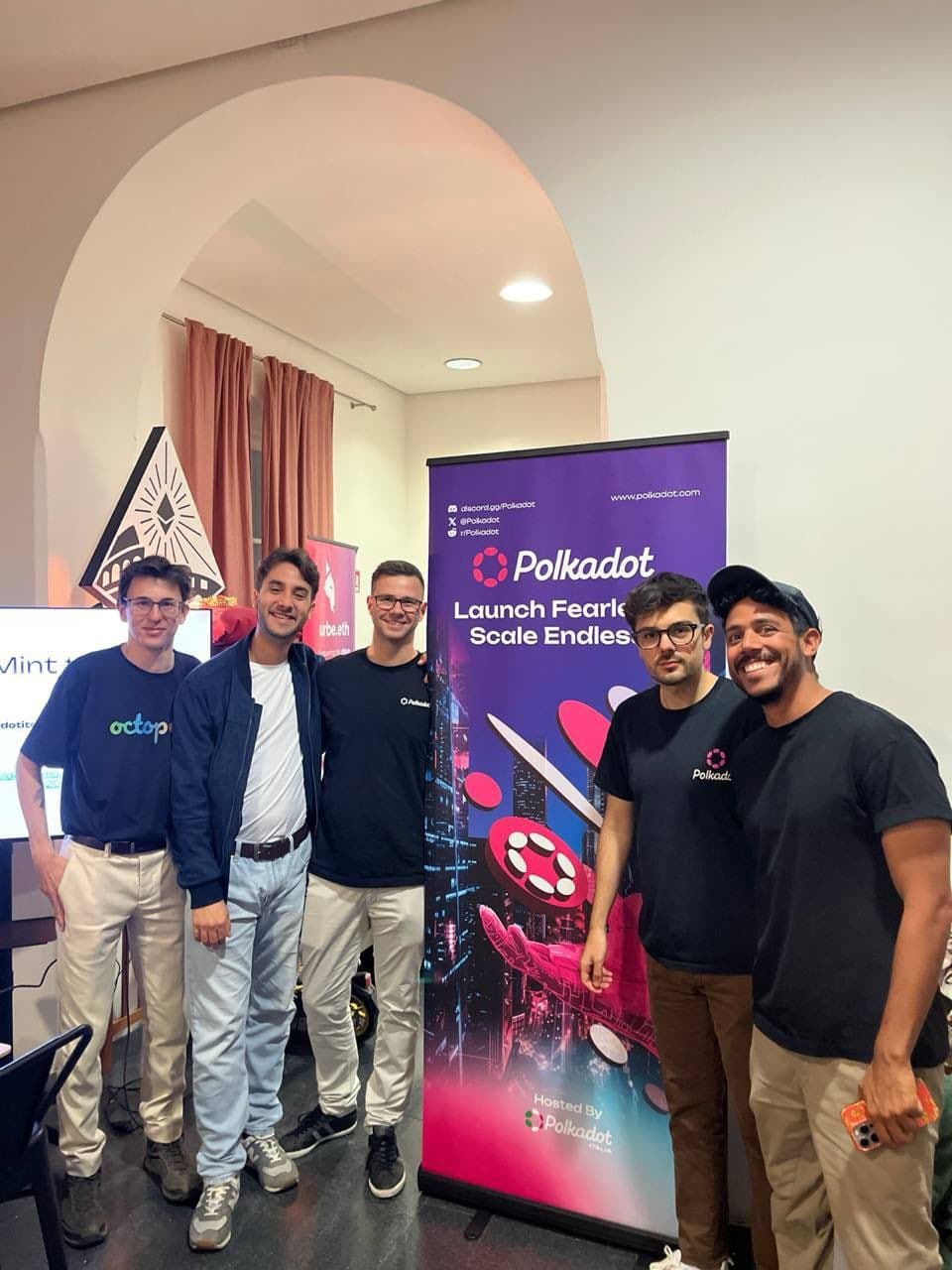
ChopDot is a Polkadot-native group expense app that started at the Build Resilient Apps with Polkadot Cloud hackathon and kept going after the room was gone.
Started at a global Polkadot hackathon, won second prize, and now anchors closeout and settlement proof on Polkadot Hub through an EVM smart contract.
I built it around a simple but revealing problem: shared money only works when the group understands what is happening. The current version keeps day-to-day coordination offchain, then anchors closeout and settlement proof on Polkadot Hub through an EVM smart contract. It matters to me because it keeps proving the same thing: payment is rarely the hard part. Shared clarity is.
Group expenses keep teaching me the same lesson. Money moves last. Shared understanding has to move first.
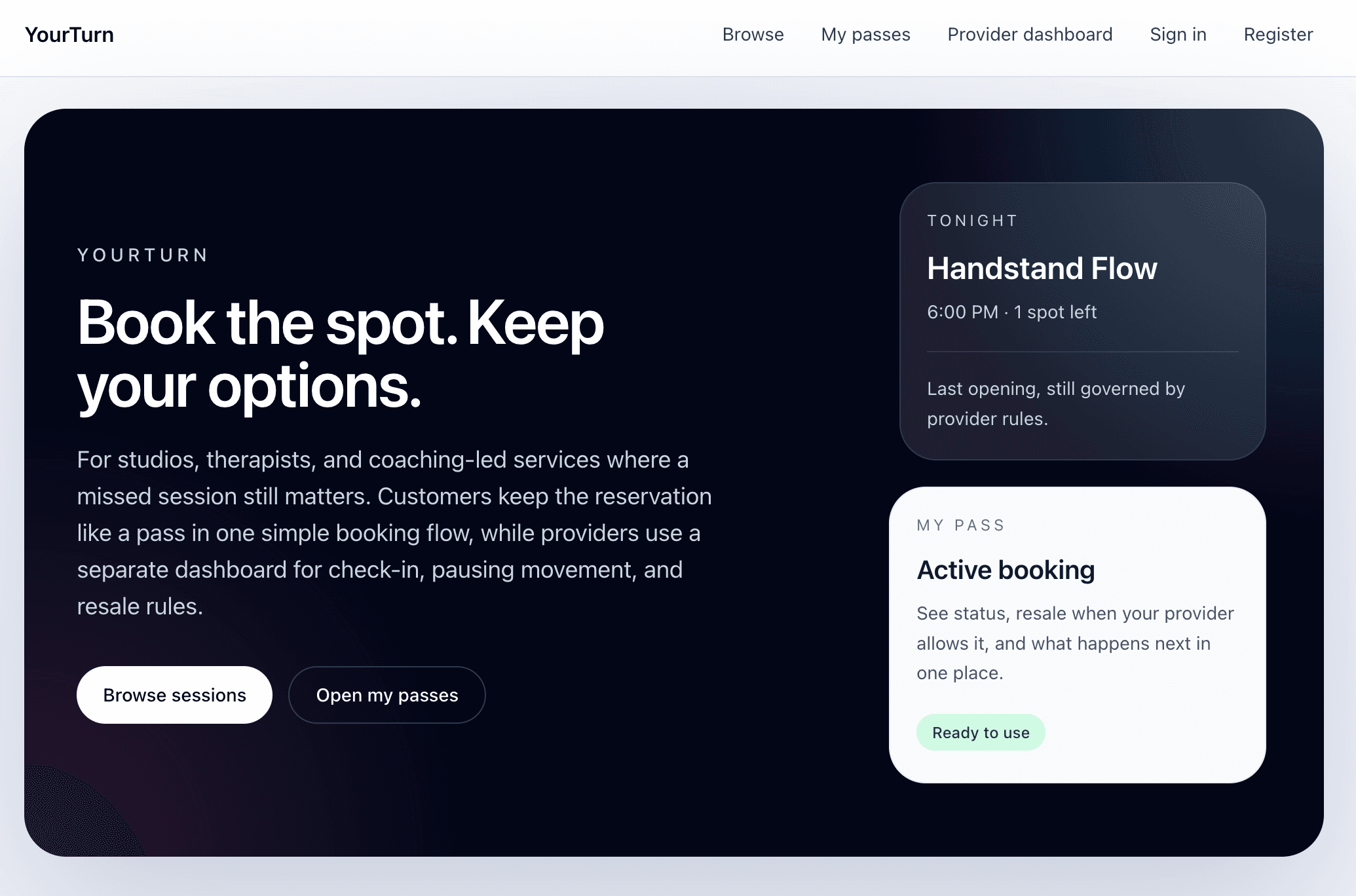
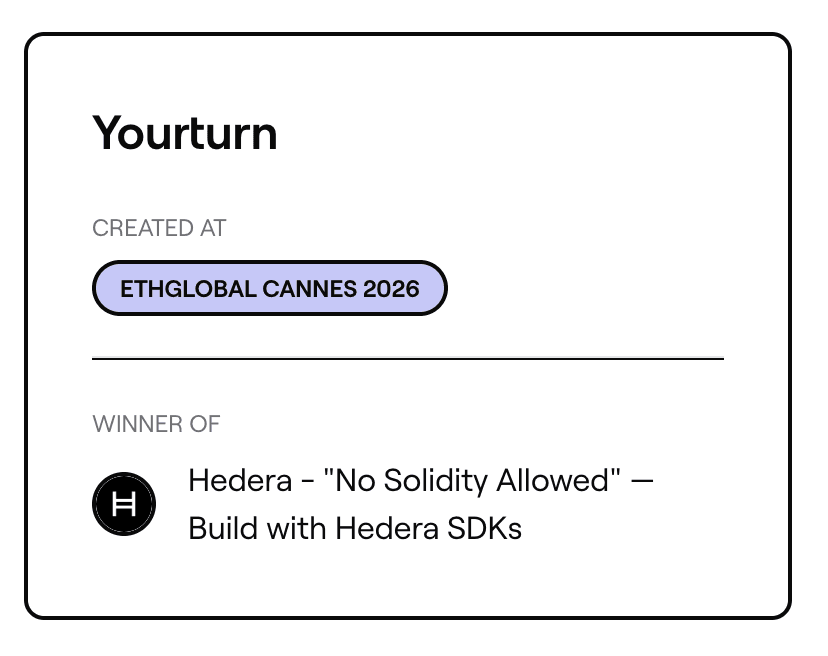
Built at ETHGlobal Cannes 2026, where it won the Hedera "No Solidity Allowed" track, YourTurn is a booking and resale product for studios, therapists, and coaching-led services.
We treated a booking more like a transferable pass and won the Hedera track by building with the SDKs rather than taking the usual Solidity route.
The idea was to treat a booking more like a transferable pass: something a customer can keep, resell when allowed, and verify clearly, while the provider keeps control over policy, check-in, and resale rules. We used Hedera as the trust layer for booking rights and lifecycle events, but the real product problem was making something onchain feel simple enough for ordinary users and operationally useful enough for small businesses. That is the kind of work I want more of.
Research
CAS Blockchain at HSLU
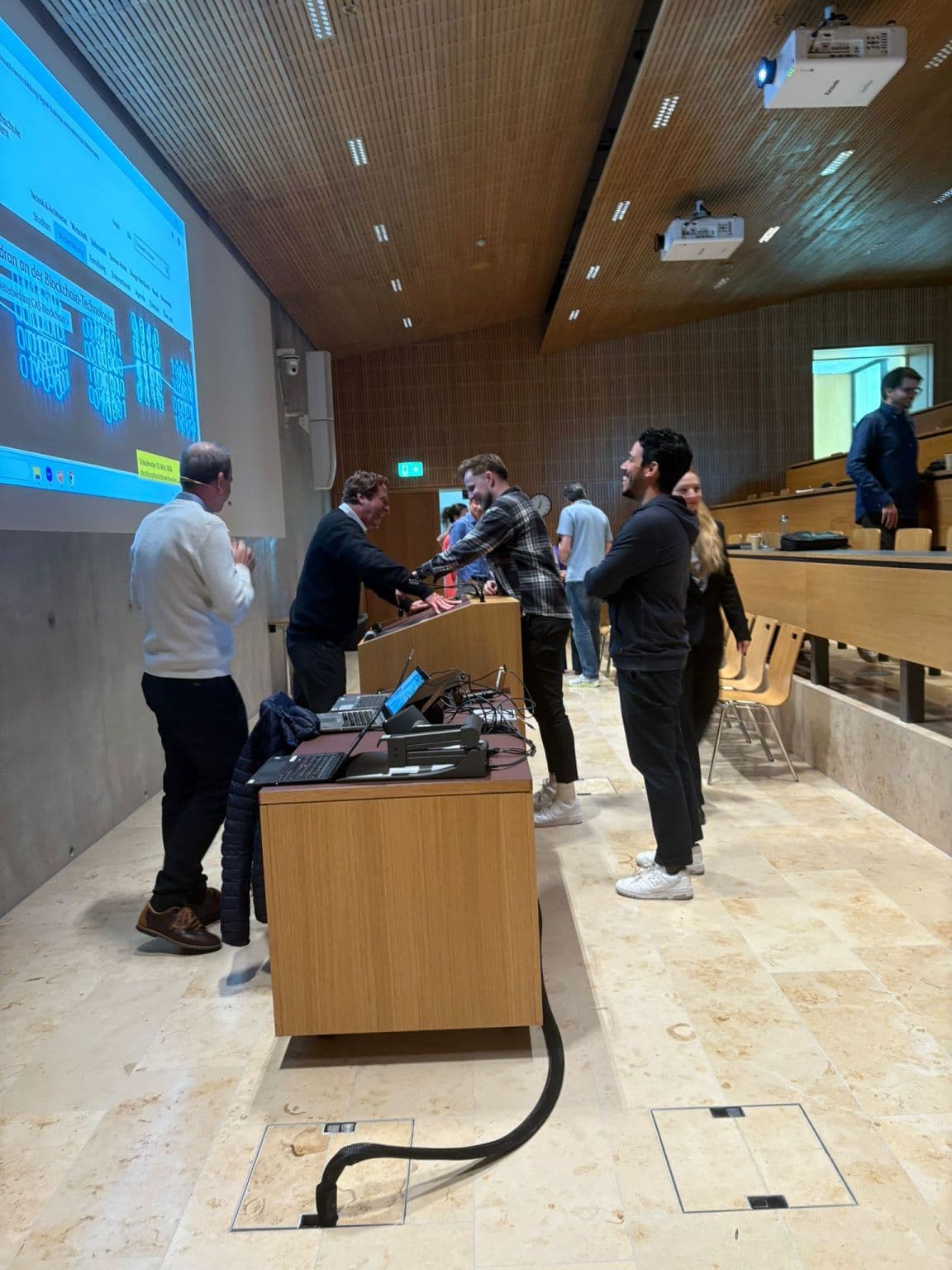
The CAS Blockchain at HSLU gave me a more serious Swiss room for tokenization, market structure, and legal-commercial questions than most public blockchain conversations ever do.
Included a DePIN tokenomics paper, presentation, and a stronger public signal of serious blockchain credibility in Switzerland.
The DePIN paper mattered, but so did the discipline of having the argument tested by people close enough to the work to push back properly. It made my interest in digital assets more concrete and more defensible. What stayed with me most was not the rhetoric around the future, but the pressure to explain why a system should survive contact with real incentives, real institutions, and real use.
The useful part was seeing exactly where the argument stopped surviving informed questions.
Research
DePIN / tokenization research
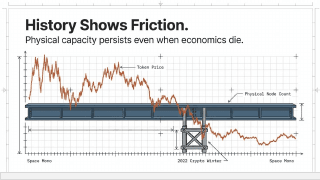
I wrote the DePIN paper to test what happens when token incentive systems face real pressure instead of living inside optimistic assumptions.
Using Onocoy as the anchor case, I looked at slower growth, weaker retention, and what that reveals about resilience, scalability, and incentive design in practice, then pushed the model into a live stress-test dashboard.
That work sits close to tokenization for me because it sharpened the same instinct: a structure is only interesting if it still works once the easy story disappears.
AI / systems
AI / agent systems
My AI thread did not start with the current model cycle. It runs from my 2017 MSc thesis on AI integration and adoption through workflow automation in adtech and into the agent systems I am building now.
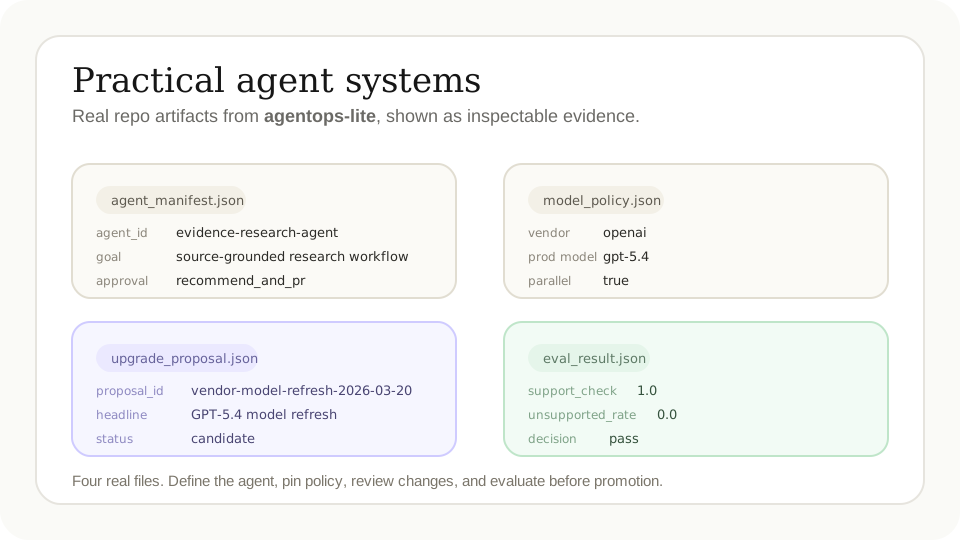
The practical-agent-systems repo is where I make that work inspectable in public: reviewable agent operations, browser workflows with approval gates, and research flows tied back to evidence.
What interests me is not AI as identity, but AI as utility: systems that reduce friction, make decisions clearer, and fit into real operating work without adding noise.
Most AI talk still starts with the model. I keep caring more about whether the workflow is livable once the novelty wears off.
More proof
Smaller public artifacts and traces that support the current work without needing a full case block of their own.
Public showcase page for YourTurn and the Hedera track win.
Public repo for agent operations, browser workflows, and evidence-linked research loops.
Earlier work on AI adoption, workflow fit, and organizational integration before the current model cycle.
A tighter product view of the current group-expense build and why the workflow matters.
Earlier operating work
Before the current blockchain and AI work, I spent more than fifteen years around product programs, onboarding, client delivery, GTM, and execution in environments where technically strong systems still needed better structure, translation, and confidence around how they were used.
Xaxis / GroupM
Product programs and enablement
Global product pipeline work, roadmap structure, enablement systems, and executive translation inside a large distributed organization.
Digitl
Adtech team lead
Sales, product, and operations alignment around onboarding, delivery, and growth in an environment tied to a meaningful commercial pipeline.
Trakken
Consulting and implementation
Complex client environments where the real challenge was not just tooling, but making products easier to understand, adopt, and use with confidence.
Light Reaction
Project and account work
Client-facing digital work where delivery, expectations, and commercial realities all had to line up cleanly enough to keep projects moving.
Programs and ecosystems
These matter less as attendance and more as context. They are the rooms where product arguments and real trade-offs stop staying abstract.
One of the more serious Swiss bridges between blockchain technology, tokenization, and legal-commercial practice.
Polkadot Blockchain Academy (PBA-X)
Visit →A stronger Polkadot-native room for strategy, ecosystem thinking, and getting closer to how the network actually works.
Useful because it keeps the conversation close to builders, experiments, and the trade-offs underneath the story.
A month-long residency around governance, network societies, AI x crypto, and future living. Useful because it widened the conversation beyond products into the institutions and social contracts those products eventually sit inside.
Relevant because it put token design, infrastructure reality, and network sustainability in the same room.
Still one of the clearest places to see where product, market structure, and ecosystem narratives are actually moving.